Canada
 USA
USA Japan
Japan





Sold out




Hurry and get discounts up to 20% Read more
I suggest you try it again, Luke.
While it is botanically a fruit, it is considered a vegetable for culinary purposes (as well as under U.S. customs regulations, see Nix v. Hedden), which has caused some confusion.
Out of stock
Authorities in our business will tell in no uncertain terms that Lorem Ipsum is that huge, huge no no to forswear forever. Not so fast, I'd say, there are some redeeming factors in favor of greeking text, as its use is merely the symptom of a worse problem to take into consideration.
Anyway, you still use Lorem Ipsum and rightly so, as it will always have a place in the web workers toolbox, as things happen, not always the way you like it, not always in the preferred order.
Made possible by exploring innovative molded plywood techniques, Iskos-Berlin’s Soft Edge Chair blends strong curves with extreme lightness to create a three-dimensionality not usually possible with 2-D plywood.
In common language usage, “fruit” normally means the fleshy seed-associated structures of a plant that are sweet or sour and edible in the raw state, such as apples, oranges, grapes, strawberries, bananas, and lemons.
I suggest you try it again, Luke.
It’s only a model.
Corrupti quos dolores et quas molestias excepturi sint occaecati.
While it is botanically a fruit, it is considered a vegetable for culinary purposes (as well as under U.S. customs regulations, see Nix v. Hedden), which has caused some confusion.
Wile E. can merely drop an order into a mailbox (or enter an order on a website, as in the Looney Tunes: Back in Action movie), and have the product in his hands within seconds.
Wile E. can merely drop an order into a mailbox (or enter an order on a website, as in the Looney Tunes: Back in Action movie), and have the product in his hands within seconds.
While it is botanically a fruit, it is considered a vegetable for culinary purposes (as well as under U.S. customs regulations, see Nix v. Hedden), which has caused some confusion.
It’s just like the story of the grasshopper and the octopus.
Furniture is an invariable attribute of any room. It is they who give it the right atmosphere, making the space cozy and comfortable, creating favorable conditions for productive work or helping to relax after a hard day. More and more often, customers want to place an order in an online store, when you can sit down at the computer in your free time, arrange the furniture in the photo and calmly buy the furniture you like. The online store has a large catalog of furniture: both home and office furniture are available.
Furniture manufacturers, as well as manufacturers of other home goods, are full of amazing offers: we often come across both standard mass-produced products and unique creations - furniture from professional craftsmen, which will be appreciated by true connoisseurs of beauty. We have selected for you the best models from modern craftsmen who managed to ingeniously combine elegance, quality and practicality in each product unit. Our assortment includes products from proven companies. Who for many years of continuous joint work did not give reason to doubt their reliability and honesty. All of them guarantee the high quality of their products, excellent operational characteristics, attractive appearance of the products, a long period of use of the furniture, as well as safety.
No account yet?
Create an Account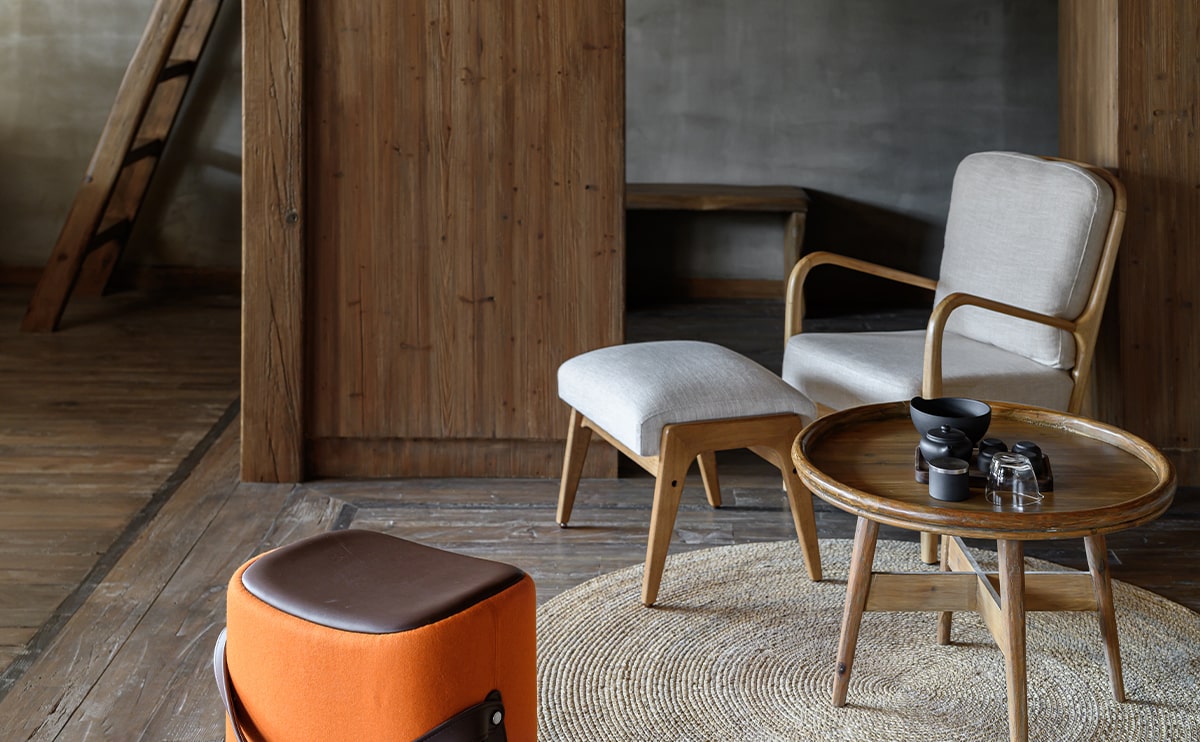
the first to learn about our latest trends
This is a demo store for testing purposes — no orders shall be fulfilled. Dismiss